Talks like a
watchdog.
Votes like a
lap dog.
Ryan Alter has cast 5,886 yes votes and 17 no votes since taking office. That is not a record of independence. That is a rubber stamp with a good speech attached.

Ryan Alter has cast 5,886 yes votes and 17 no votes since taking office. That is not a record of independence. That is a rubber stamp with a good speech attached.
Source: City of Austin Open Data Portal, Ryan Alter: Austin City Council Voting Record (dataset j48w-feyx). 6,616 total records; 5,886 Yes, 17 No, the remainder absent, withdrawn, recused, off dais, or no action.
In three and a half years, Ryan Alter voted no seventeen times out of 5,903 recorded yes or no votes.
They are a co-op's alcohol distance waiver, two water line extensions, a parks concessions policy, two outside legal contracts, a small jobs incentive, a garage floodplain variance, five neighborhood rezonings, two votes against postponing a sixth, an appeal by Save Our Springs Alliance, and a lobbying ordinance rewrite.
Not one of them was a billion-dollar item. Not one of them was the river. Three of them were genuinely good, and we say so on the record page: the two service extensions he kept out of the Drinking Water Protection Zone, and the lobbying rewrite he opposed alongside Vanessa Fuentes.
Twelve of the seventeen passed anyway. Counting the times he voted no and the outcome actually changed because of it, the number is two.
A 45-year agreement on the Colorado River. Yes.
One and a half billion dollars in tax financing for Amazon's developer. Yes.
A tax rate hike that voters killed by 26 points. Yes.
Convention center bonds for a project 76 percent of Austin opposes. Yes.
The speeches were free. The votes cost you billions.
On 21 May 2026 Alter voted yes on a 45-year development agreement covering roughly 2,614 acres bounded by the Colorado River. On 23 July 2026 he voted yes again, on roughly $1.5 billion in tax financing anchored by Amazon. It passed 7 to 3. Velásquez, Siegel and Qadri voted no. He did not.
His own words that day: "I think this process has not lived up to what it needs to from our side. We should have required more." He said it, and then he voted yes.
He read the eulogy, then voted for the funeral.
In December 2024 his own amendment required Austin Energy to come back to Council before building new gas peakers and explain why a carbon-free option would not do. In May 2026 they came back. The public agenda item was withdrawn and the roughly $1 billion authorization moved behind closed doors.
The city still will not release the votes. Seven days later he was voting for emissions guardrails, and three weeks after that he was in print defending the outcome.
Public guardrails. Secret authorization. Then a green press release.
May 2026: he voted for the agreement that permits data centers on the river for 45 years. July 2026: he voted for the money. August 2026: he announced a push to ban hyperscale data centers, warning they "pose a real threat to our natural resources, our environment, and our quality of life."
The agreement he approved is still binding. The developer's promise not to build one runs about ten years. The agreement runs forty-five.
Ninety-eight days from the door to the fire alarm.
A Statesman investigation found he had routed roughly $10,000 in taxpayer funds to outside groups and expensed more than 70 solo meals. He said he "made choices that harmed the trust and reputation of city government."
Less than three months later he voted against a $50,000 cap on rolling over unspent council office money. The stricter rule failed.
The apology was public. The vote was quiet.
In August 2025 he voted with the 10 to 1 majority to set a tax rate 20 percent higher and send Prop Q to the ballot. In November 2025 Austin rejected it 63 to 37. Only one council member listened to taxpayers before the election. It was not Ryan Alter.
Days after voters settled it, he voted to cut the rate back.
He found a billion for gas and a billion and a half for Amazon.
Between January 2023 and May 2024 a council majority rejected exactly one of 238 developer rezoning cases. Alter defended the pattern. He voted yes on HOME Phase 1 after thirteen hours of public testimony.
And in January 2025, when Save Our Springs Alliance and four neighborhood groups appealed a Hill Country site plan, he voted against them.
A rubber stamp is not a housing policy.
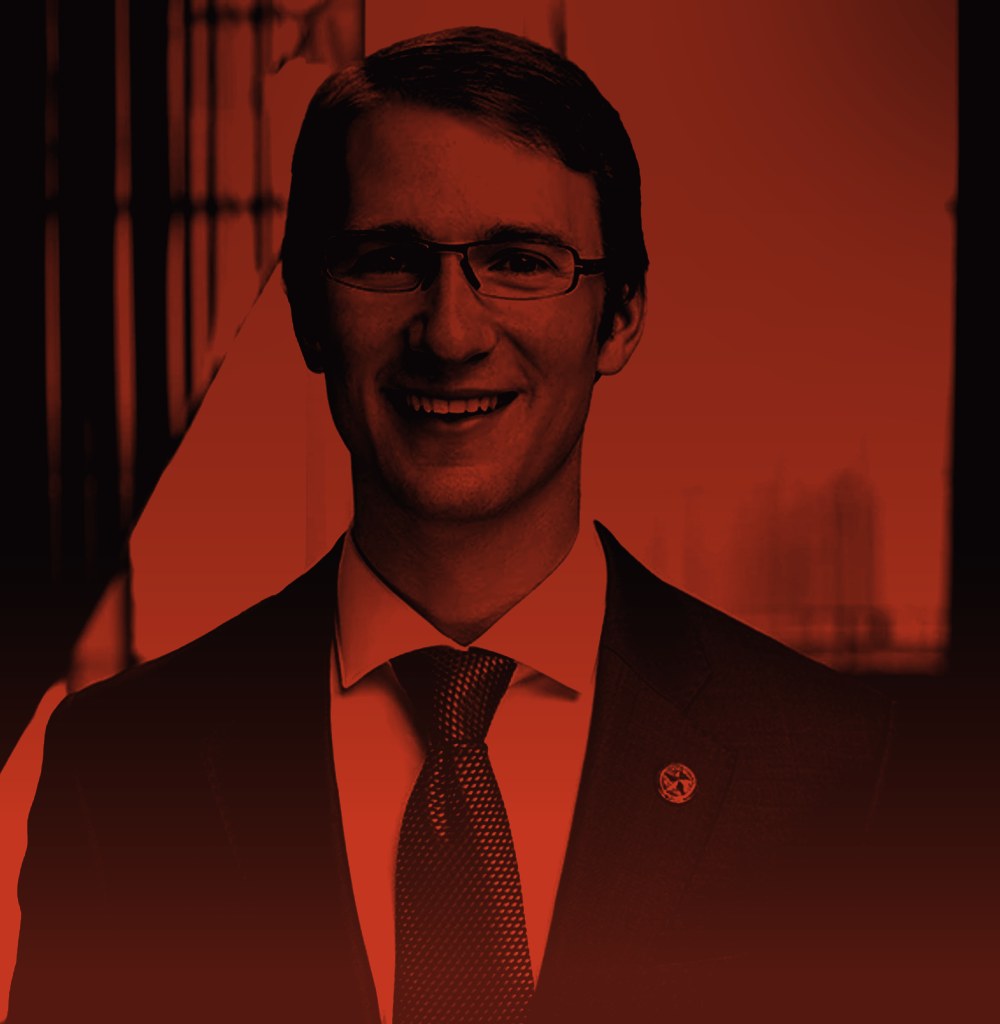 Council Member Ryan Alter. Official portrait, City of Austin.
The pattern
It happens too often to be an accident. He names the flaw out loud, files an amendment, collects the credit for caring, and then delivers the vote the developer needed anyway.
An amendment is not a no vote. And District 5 keeps getting the outcome, not the speech.
The Abbott test
Greg Abbott courted the data centers, celebrated them beside Google's CEO, and then froze new grid connections statewide in August 2026 once voters noticed. Ryan Alter voted the data centers in, voted to finance them, and then announced a ban push in August 2026 once voters noticed.
Court them. Celebrate them. Then scramble to look tough once voters notice.Same playbook. Different letter after the name.
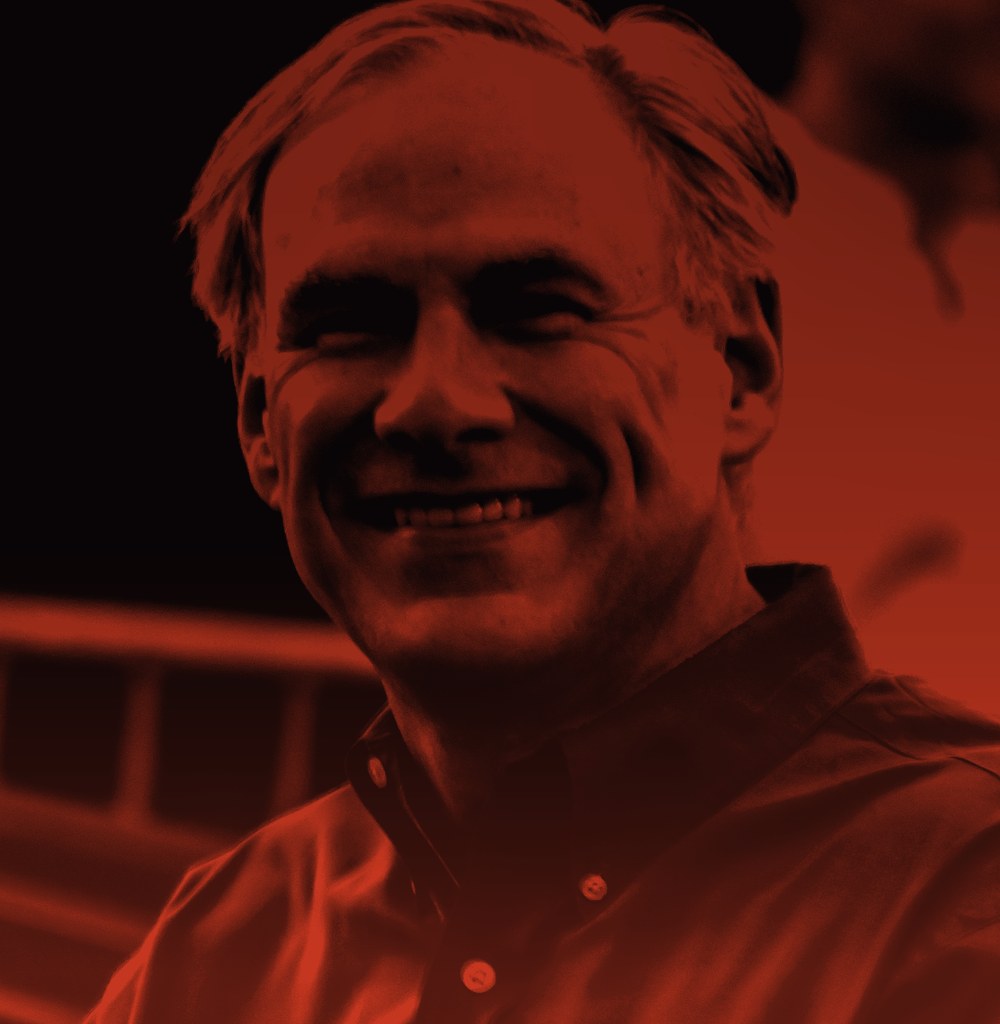 Hover to swap
Ryan AlterGreg Abbott
Hover to swap
Ryan AlterGreg Abbott
District 5 deserves better
District 5 can't afford four more years of distrust, disloyalty, and disservice. We need to alter course.